It's Not the Fake, It's the Lie
A band with no humans in it, an actress who doesn't exist, a five-star write-up sitting on a hundred food-poisoning complaints. The machine isn't the scandal. The unlabeled swap is.
A rock band with over a million Spotify listeners has no humans in it. A hotel review platform refolds a stack of complaints into five stars, Both are synthetic, and neither one says so. Whether a fake admits it is the difference between a gimmick and a lie.
Signal: I just want it to say so
A key skill for media literacy is knowing where along the fact-to-fiction spectrum your consumption lies. Is this news article true? Is this image fake? Is it somewhere in between the two? Who is adjusting the dials, and, more importantly, why?
Last issue, I argued that a browser toy that lets you chop firewood was the most honest thing on my screen, because every pixel of it is fake and it never pretends otherwise.
I can live with a fake. I expect it now, the incentives are too strong for the creators. What I can't live with is the fake that won't say so, the one that goes beyond just replicating labor and into the roles that used to prove a person was there.
Probe: The synthetic moved into the roles that demonstrated presence
There are three moments in normal life when, for all of history, a live human being has been the proof that "a real person is here / a real person did this." AI has now moved into all three, so that built-in proof is gone:
- The performer: the person up on stage or on the record. You watch an actor, you hear a band. A human body performing, live, was proof that a human made it.
- The witness: the person who tells you what they experienced so you can trust it. A reviewer saying "I stayed at this hotel and got food poisoning." A real customer, standing there vouching, was the proof.
- The counterpart: the person alongside you or on the other side of a transaction. The shopkeeper behind the counter. The seller. The person dancing next to you at the concert. The delivery driver who hands you the bag. Historically, when you bought something, there was a human on the other end taking your money and giving you the item or the performance. That human was the proof you were dealing with something real.
Watch what happens to each one in a world of fakes, and the same fault line runs through all three. It doesn't fall apart where you'd expect, between the real thing and the copy. It breaks when the copy doesn't fess up that it's a copy.
Start with the performer. Tilly Norwood is a generative-AI actor, and on July 6 her studio announced she would lead a feature film called Misaligned, a title so on-the-nose the movie appears to be apologizing in advance.
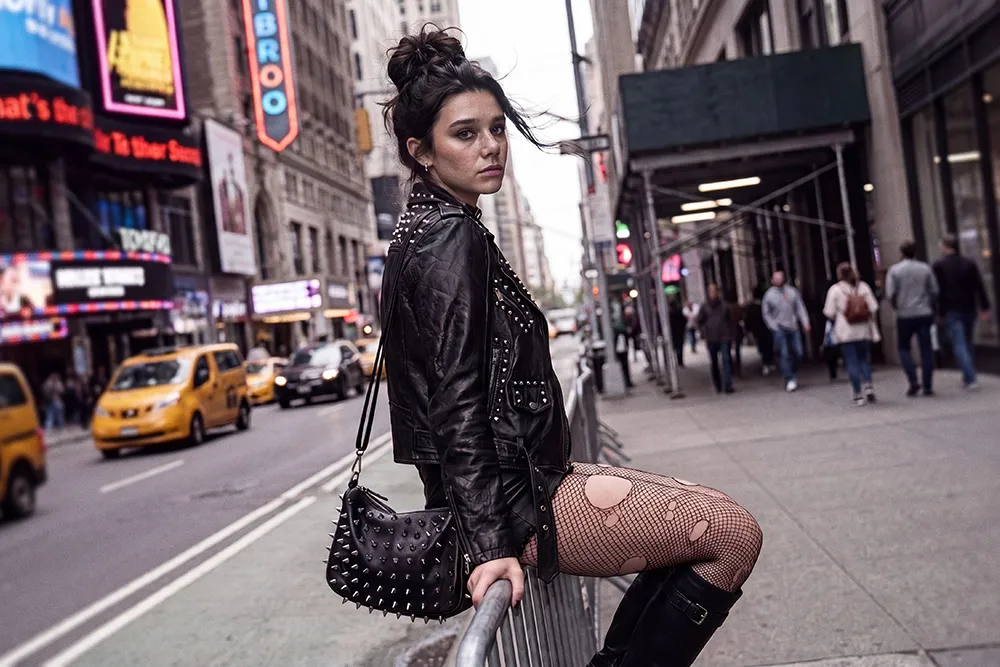
Nobody is hiding the digital mask, though. We are talking about her as if she's in the role of a lifetime: a living human being. However, she is labeled an AI actor wherever she appears, and her creator (agent?), Eline van der Velden, argues for disclosure out loud, saying films should note their AI the way we used to say "this is a historical reconstruction."
She was condemned anyway.
SAG-AFTRA said creativity should remain human-centered. Two of the biggest talent agencies refused to sign her, one of them declining with the entire sentence "We Represent Humans," a line you only get to write once.
Emily Blunt, Whoopi Goldberg, and Melissa Barrera all said versions of the same thing. Nobody in that crowd said she looked fake or said Tilly couldn't pass for a competent actor. The complaint is that she was built on real performers' work "without permission or compensation." The grievance is about consent, not realism. Even the disclosed synthetic gets a fight, and the fight is about the terms of authenticity.
Now meet the version that lied. The Velvet Sundown was a rock band with over a million Spotify listeners and a good backstory, and when people started asking, it posted that its songs were made "in a cramped bungalow in California with real instruments, real minds and real soul." That was false, right down to the bungalow.
The band, the voices, the faces, all of it AI-generated, which it admitted only after the audience had already been asked to believe. None of the unease came from the music being synthetic, since a million people had already pressed play. Nobody bats an eye at origin stories of dubious nature... It's cool to be a struggling artist who makes it big, after all.
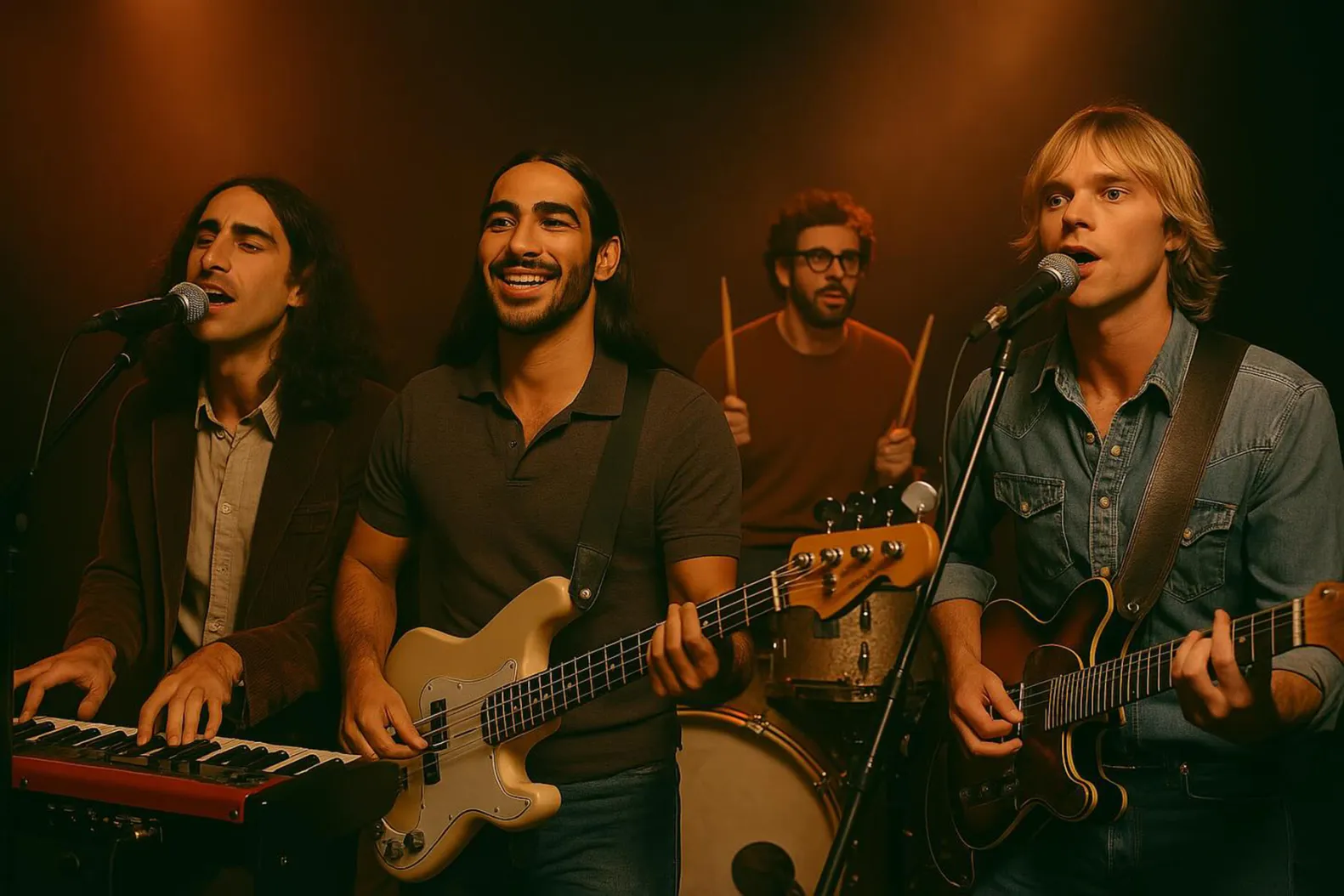
The rebuke came from the denial. Line the two up and the whole argument is right there. Tilly wears the mask in public and draws a principled fight about consent. Velvet Sundown swore the mask was a face and drew something worse: the feeling of having been played.
None of this is new, only faster. In 1990 Milli Vanilli won the Grammy for Best New Artist and were stripped of it months later, the moment it came out that the two men on the cover hadn't sung a note.
Why? Not that a Grammy is itself a lobbied, campaigned-for, mostly-manufactured stamp of "creative achievement." Not that session singers did the real vocals, which happens all the time and bothers no one.
The unforgivable part was the undisclosed swap. A manufactured honor revoked a manufactured performance for the single sin of not admitting it was one, which is either the most noble thing the Grammys have ever done or the most ironic and shortsighted.
The money follows the same seam. Lil Miquela has a bio that literally says "robot" and lands Prada campaigns anyway. Lu do Magalu is an openly virtual brand persona pulling an estimated 2.5 million dollars a year. Aitana López earns up to ten thousand euros a month, and the tell in her story is that real celebrities slid into the DMs of a woman who is a rendering. Disclosed by press release is not disclosed at the moment it counts, I guess.
Now the witness. The nastiest item in the pile is Tripadvisor's AI review summaries. A consumer investigation found the machine-written blurbs describing hotels linked to food poisoning, harassment, and filth in the same warm, generic register it uses for everything, in one case summarizing a resort with 102 mentions of food poisoning as basically lovely. A summary is synthetic by nature, so that part is not the crime. The crime is laundering testimony, a machine gloss troweled over the witness stand. And the witness stand was crowded with impostors before AI ever got there. The FTC's fake-review rule, in force since October 2024, bans reviews by someone who does not exist, AI ones included. With penalties up to 53,088 dollars per violation, a figure only a spreadsheet could love, it never once mentions the technology. It targets the undisclosed deception and treats a fake human and a fake machine as the same offense. That is the disclosure line, written into law. It has a lot to police: UK government estimates put fake reviews at 25 to 35 percent across major platforms, and Yelp says it filtered nearly half a million AI-generated reviews in a single year.

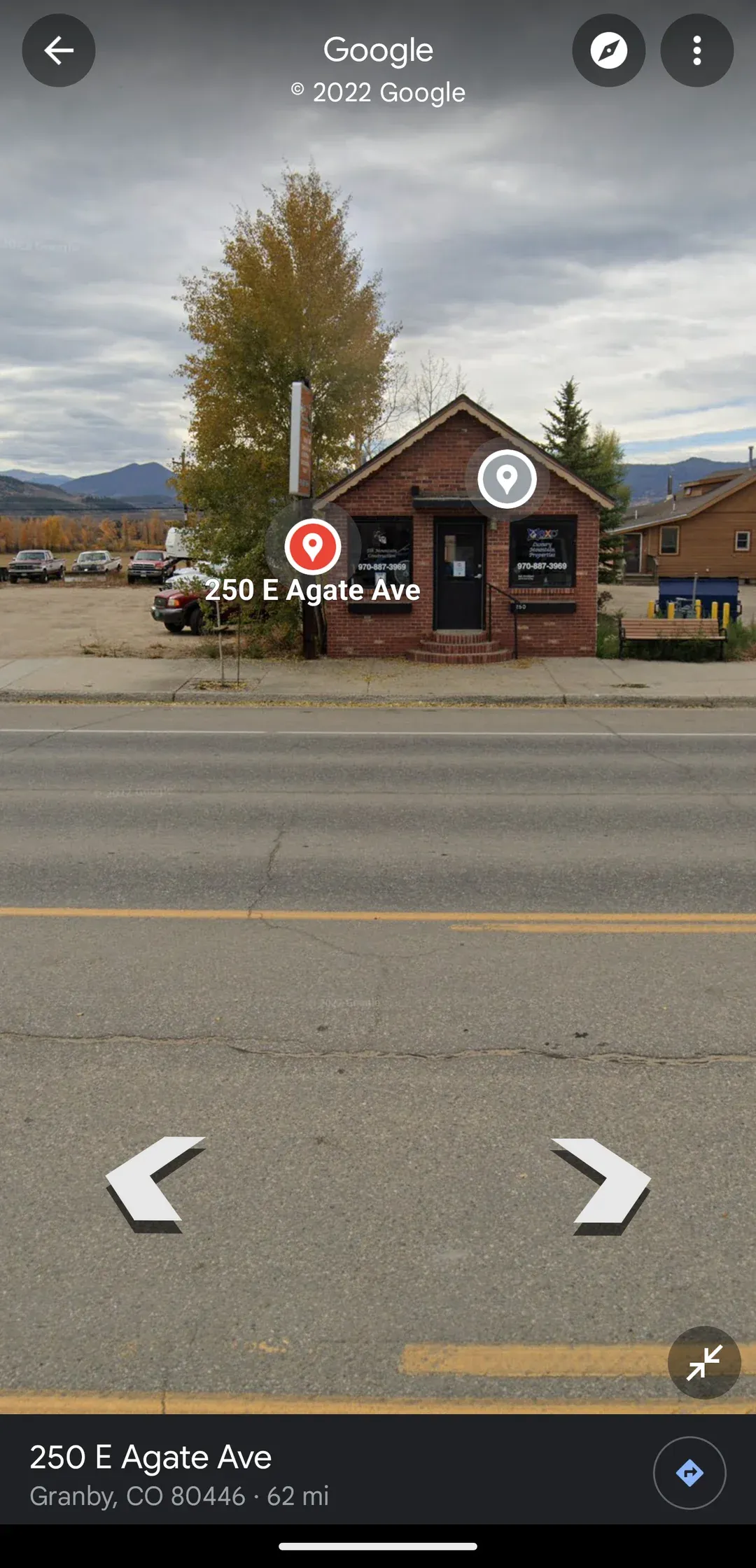
Expectation vs. Reality (via Reddit)
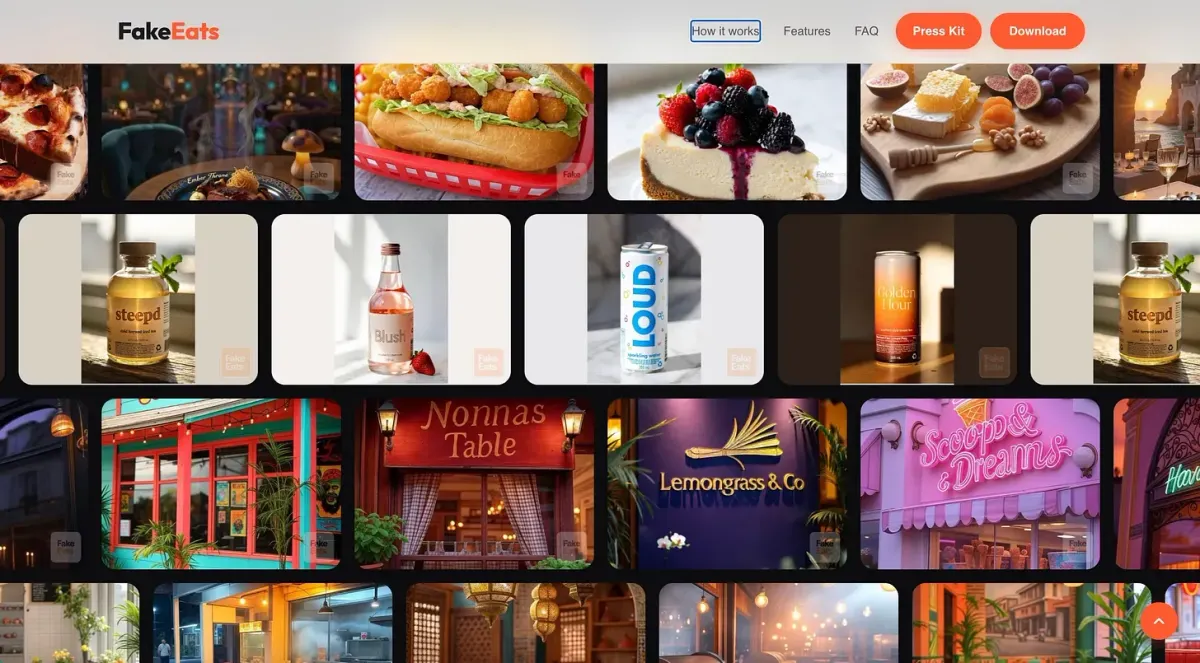
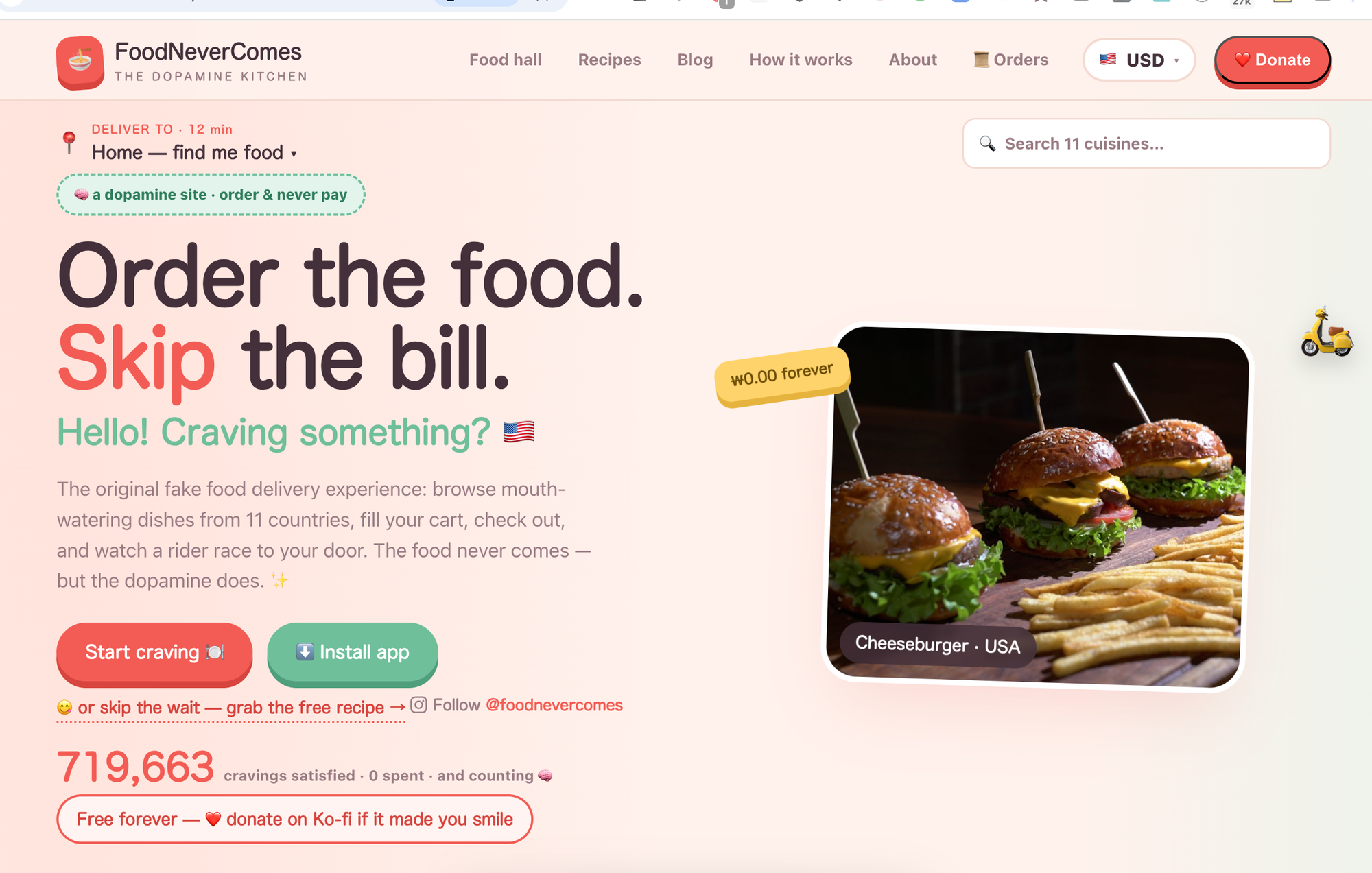
And then the counterpart. Korea has a small craze for "dopamine sites": fake food-delivery apps like FoodNeverComes.com and FakeEats.com. You can find pretend shopping carts where you browse, add to basket, check out, and watch a little courier bring your order, except nothing is charged and nothing arrives. It even tallies the money you didn't spend and the calories you didn't eat, a fitness tracker for discipline you never had to exercise. Call it placebo commerce. The honesty is total: all you are buying is the feeling of a transaction, and it says so up front. Put it on the shelf next to the firewood toy. Of all the fakes in this issue, it is the least corrosive because it never claims to be anything else.
So the axis was never real versus fake. It is disclosed versus not, and the idea is older than the software. Walter Benjamin said mechanical reproduction strips the "aura" from the original, which is another way of saying the "a human was here" signal gets scarce right when copies get cheap. Baudrillard pushed it further, to the point where the copy stops apologizing for having no original at all. Ian Bogost gives it a body: he mourns the small losses, stick shifts and stamps, the low proofs that we still touch the machine instead of only monitoring it, which is the same worry the engineer Lisanne Bainbridge named decades ago as the "ironies of automation."
The rebellion reaches for the same nerve. The original Luddites were never against machines, they were against being cut out without a say, and the Summer of Ludd reviving that spirit in a New York park with zines and mending is not asking for a world without tools, just for consent, and a label.
Political scientists have even priced the inverse move. They call it the "liar's dividend," the way a world full of fakes lets the guilty wave off real evidence as fake, and across five experiments on 15,000 people that dodge moved political support by a fifth of a standard deviation. Deniability, the flip side of non-disclosure, pays.
The strongest objection is that simple disclosure might not actually work. Labels get ignored. A Stanford study found an AI label changed whether people thought something was machine-made but not how much it persuaded them. Other experiments found labels barely move what people like or share, and an ambiguous label can make people swerve around the thing altogether. Epic's Tim Sweeney argues the AI tag will soon be as pointless as tagging a photo that used autofocus, since everything will be a little synthetic.
Fair. But "the label is imperfect" is not "skip the label." It is an argument that the label must be conspicuous and enforced, rather than buried in a submenu or garnished in a website footer like legal parsley yearning for a good Yelp review. Mixed production is fine. Secret substitution is the thing to fight against.
Signals Worth Tracking
The law is learning to make the substitute introduce itself. New York now requires ads to disclose synthetic performers, effective June 2026, with fines for skipping the label. The EU AI Act's transparency rules for AI content land August 2, 2026. Steam already makes developers declare both pre-generated and live AI content. Nobody on that list is banning the machine. The whole project, from Albany to Brussels to a game-store submission form, is teaching it to introduce itself.
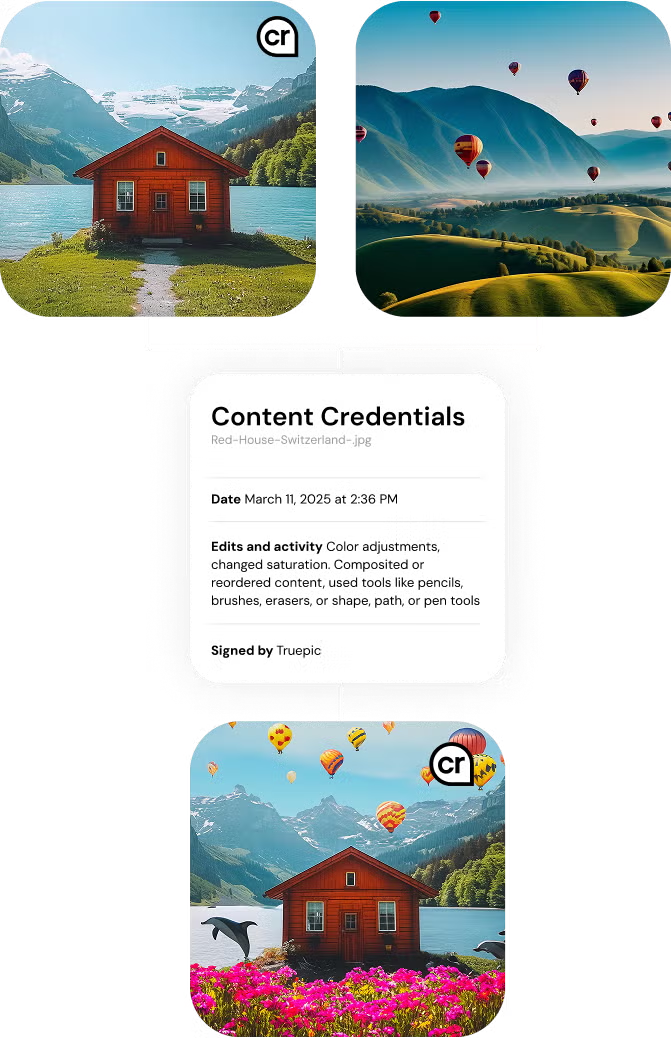
Watch whether the label survives the wash. The provenance plumbing is no longer a slide deck for academic conferences: C2PA and Content Credentials count 500-plus companies, and OpenAI's own images ship with the metadata baked in. But the standard itself admits the tag can be stripped, and in practice, a screenshot or a re-upload usually wipes it clean. A label that comes off the moment content travels is a floor, not a cure. Watch one number instead of the press releases: whether the "cr" pin is still there after the image has been through the internet once.
Watch the format itself become the proof. As the synthetic floods the cheapest surfaces first, creators are being told to move to long-form, podcasts and long video, on the logic that a fake passes in nine seconds and cracks over ninety minutes.
And the cheapest surface is already more machine than not. A fresh-account test in May 2026 found 294 of TikTok's first 500 recommended videos were AI, against 104 on YouTube Shorts, so the flood runs deepest where the form runs shortest. Call it disclosure by endurance. And don't get me started on LinkedIn and Twitter/X posts... I defy you to open either one of those apps right now and tell me that if you there isn't wasn't written by AI. The body vouches for the work by staying on camera long enough to be expensive to fake. Whether that holds, or just starts a race toward longer fakes, is the part worth watching.
Watch "verified human" turn from a principle into a price. The counter-market is already forming with real money behind it: US vinyl passed a billion dollars in 2025, and Fujifilm is spending to make more instant film because the friction is the point. Once the law and the platforms make "a machine did this" the default confession, the market can invert it and charge a premium for "a person did this at every step," the way "organic" and "fair trade" walked from ethics onto the packaging. Last issue the openly-fake log was the most honest thing on my screen. The worry this time is quieter and worse: the day honesty about who made a thing stops being a norm and becomes a subscription tier, and the human-was-here stamp is something you have to pay to see. This week, reporters did the disclosure for free, after the fact. I keep thinking about the version where nobody does it for free, where knowing who made a thing becomes a line item, and the meter is running.
Human authenticity will become a premium service... because it already is.
/ David
Playing: Content Credentials' verify tool. Drop in an image and see whether anything about it will admit where it came from. Half the time the answer is a shrug, which is the whole point.
Watching: a Korean dopamine-site walkthrough. Someone checking out a cart that will never charge them, for the feeling of the checkout and nothing else. Bleak, honest, and restful in a way I decline to examine.
Reading: Ian Bogost, "People Used to Control Machines. They Don't Anymore." Small losses, stick shifts and stamps, the body subcontracted away in increments too small to protest.
Listening: "Girl You Know It's True," Milli Vanilli. Performed, famously, by two people who did not sing a note of it. They lost the Grammy for it, punished decades early for the exact crime in this issue. Not the fake. The lie.