Every Fake You See Is for Real

Tom Cruise promised you real jets, not CGI. You got both.
"Everything you see is for real," went the Top Gun: Maverick marketing. Danish VFX supervisor Jonas Ussing examined the finished film and found CGI jets nearly everywhere, then kept going for four more videos covering Oppenheimer, Mission: Impossible, and Vecna in Stranger Things.
In every case a director pledges "no CGI" on the press tour while hundreds of visual effects artists quietly side-eye each other in the credits.
Hollywood brags about the absence of the computer effect, but the people who made it disappear are disappeared along with it.
"No CGI" turns out to be marketing-speak for "CGI so good you believed us." Or, more to the point, "CGI is too easy. You should spend $20 a ticket to see the real deal." As if disavowing any kind of visual manipulation as artificial takes away from the spectacle of watching jets scream by on IMAX.
(Though, honestly, I'm not entirely convinced the volleyball scene from the original Top Gun isn't computer generated).
The movie industry calls them "practical effects." Of course, the irony is that is so much more impractical to actually stage large-scale special effects on set than to fake them in a computer simulation.
This instinct to insist that practical effects are somehow more real than computer simulutions is especially true for Tom Cruise, who notoriously performs his own absurdly dangerous stunts. I know I'm not going to watch the $600 million actor sacrifice himself, for real, on screen... but there's still the risk of this pseudo-live performance going horribly wrong which humans find engaging.
(I co-authored a paper about risk vs. sequence in performance related to this a while ago.)
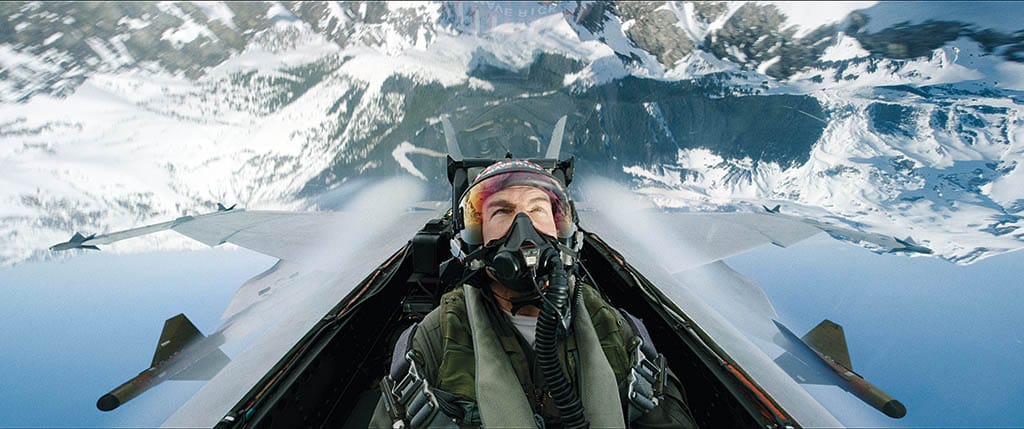
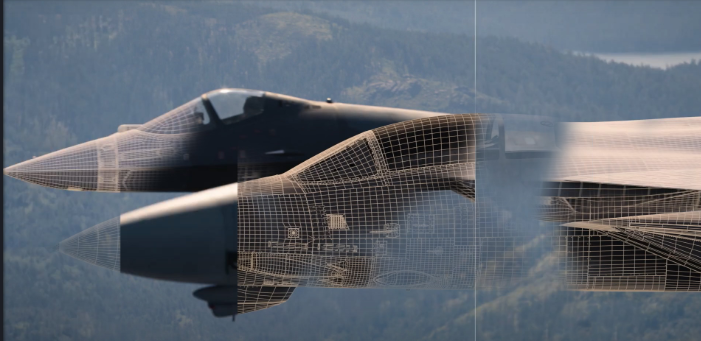
The jets were real. The jets were also CGI. Both statements are true, which is the trick.
It's not AI writing for us, it's our writing for the AI.
The Atlantic ran a piece on one of the most infamous chatbot clichés, the "it's not X, it's Y" construction, and headlined it with the crime itself: "It's Not Just Annoying, It's Inescapable." Respect.
But blaming the machine gets the history backward. The models learned that construction from us. It was already load-bearing wherever humans wrote persuasion, in ad copy and TED transcripts and a decade of LinkedIn hooks. It's an insight-shaped delivery vehicle that feels powerful: pour anything into "not X, but Y" and it comes out sounding like profound revelations:
"It's not a sandwich. It's bread slices with a decision between them."
"It's not a nap. It's horizontal preparedness."
"They're not socks. They're commitment devices for your ankles."
"It's not a circle. It's a line that came home."
"It's not falling. It's arriving at the ground ahead of schedule."
Follow me for more mind-blowing aphorisms.
The machines just ran our own rhetorical tricks at industrial volume until an ordinary turn of phrase curdled into a tell. And it turns out these marketing hooks and hacks actually work on us. So we keep reinforcing them with our clicks and attention, the AIs notice, and they keep feeding them back.
But the poisoning runs in both direction.
Even when I write something completely from scratch, by hand, I still feel the need to process the draft through an AI prompt to strip out phrases and constructions I have used my whole writing life, because they read as machine output now. The machines learned to write from us. We rewrite ourselves to stop sounding like them.
I like using the em-dash, but I use an AI to "humanize" it away along with a bunch more AI tells.
Either our writing was bad to begin with, or the AI is proactively diluting it to a worse version of itself.
Someone invented text that refuses to be photographed. It lasted about a week.
If AI is reading everything we write in a vain attempt to learn how to speak like a human, then maybe the answer is to make the human text more difficult to read.
Let's introduce the total opposite of digital curb-cuts, universal design, and accessibility standards precisely to introduce friction for our AI readers.
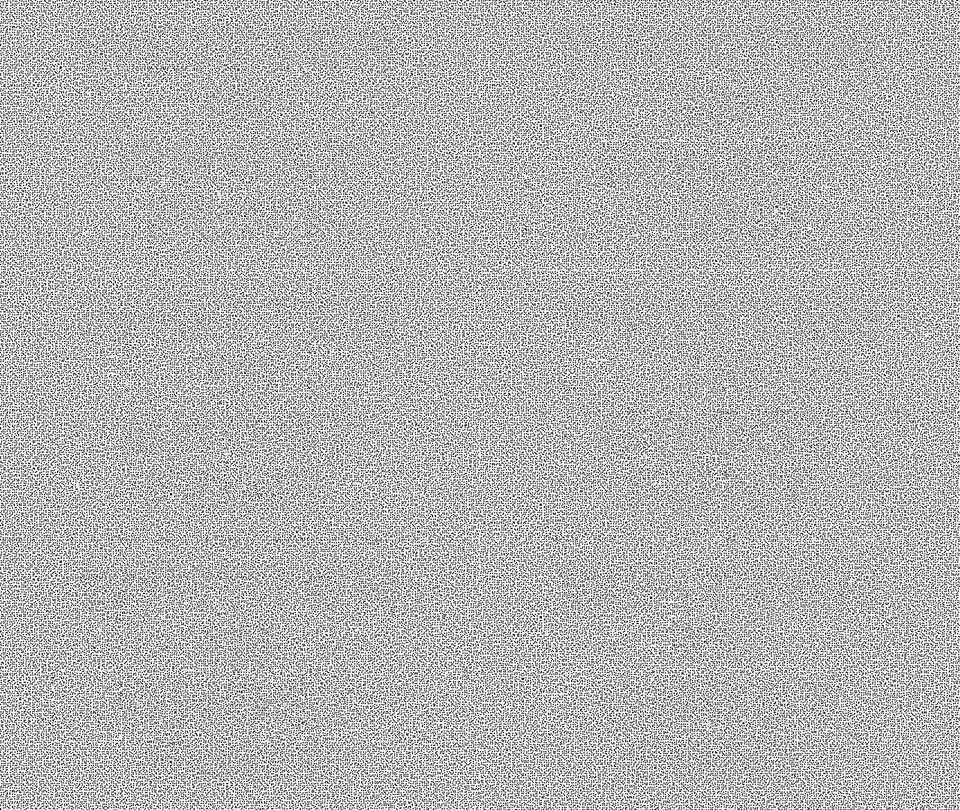
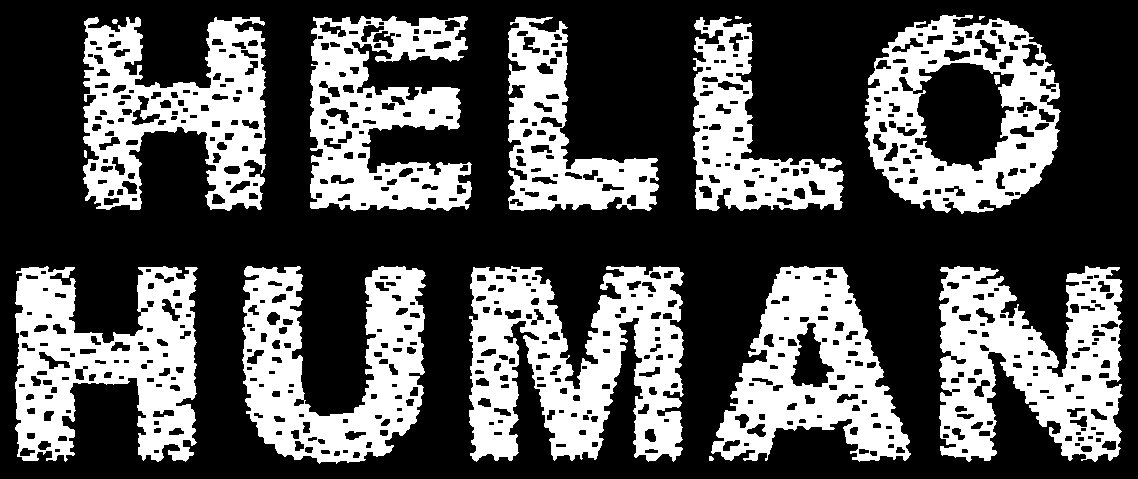
Mixfont's ghost fonts render text you can only read in motion: any single frame is noise, and your eye assembles the message across time. Pause the video, screenshot it, and you get nothing. I found this delightful for about a day, until I found anti-ghost-font, a tiny tool that defeats the whole scheme by subtracting each frame from the next until the ghost precipitates out.
The un-screenshotable message, un-hidden by 200 lines of Python code (likely AI generated code, for that matter). Every fake has a seam, and here the seam is the motion itself. I have curiosity about these seams, and I want to build microscopes and encoders to play hide and seek amongst the cracks. Watch this space.
A man in Wales wove himself a giant.
Lewis Prosser describes himself as an absurdist basket-maker, which, if I'm being honest, undersells it. For a modern mummers' play called Making Merrie he wove enormous wicker costumes with names like Parsnabler o Grog and Vogum Gertlin. He then paraded them through Welsh towns speaking a garbled Welsh-English nonsense dialect, updating a folk form that's been staged in streets and pubs for 500 years.
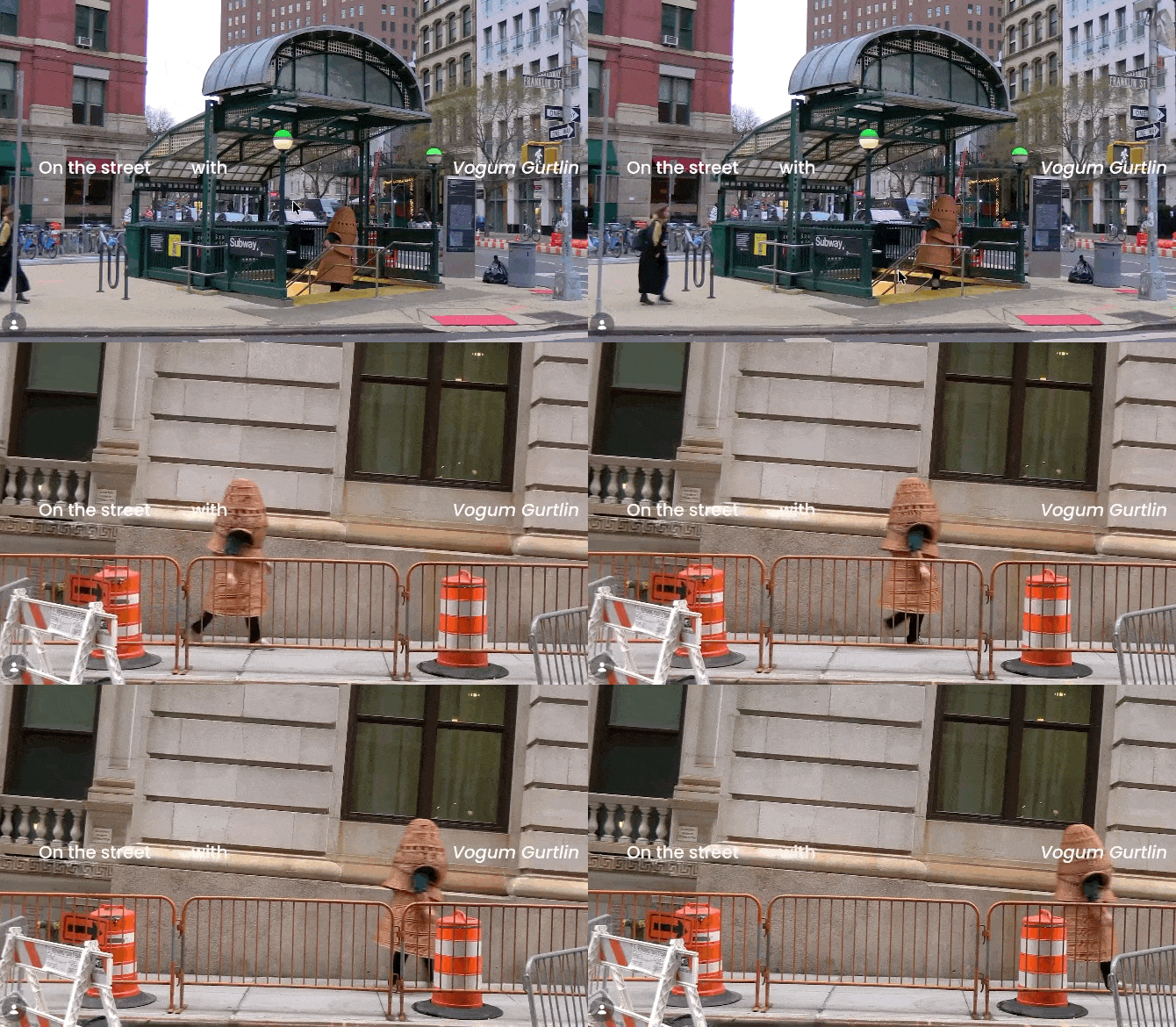
He calls basketry an essential human skill at risk of being forgotten, "a skill that, if lost, means losing part of what it is to be human." And if Parsnabler o Grog sounds like one of the AI slop creatures that flooded TikTok last year, all surreal bodies and garbled names, and weird...and unsettling. Well. It should.
Folk culture has been breeding absurd creatures out of nonsense language for five centuries. The machines annexed that tradition too, same as the chatbot clichés.
Deriving images from language prompts is in our DNA.
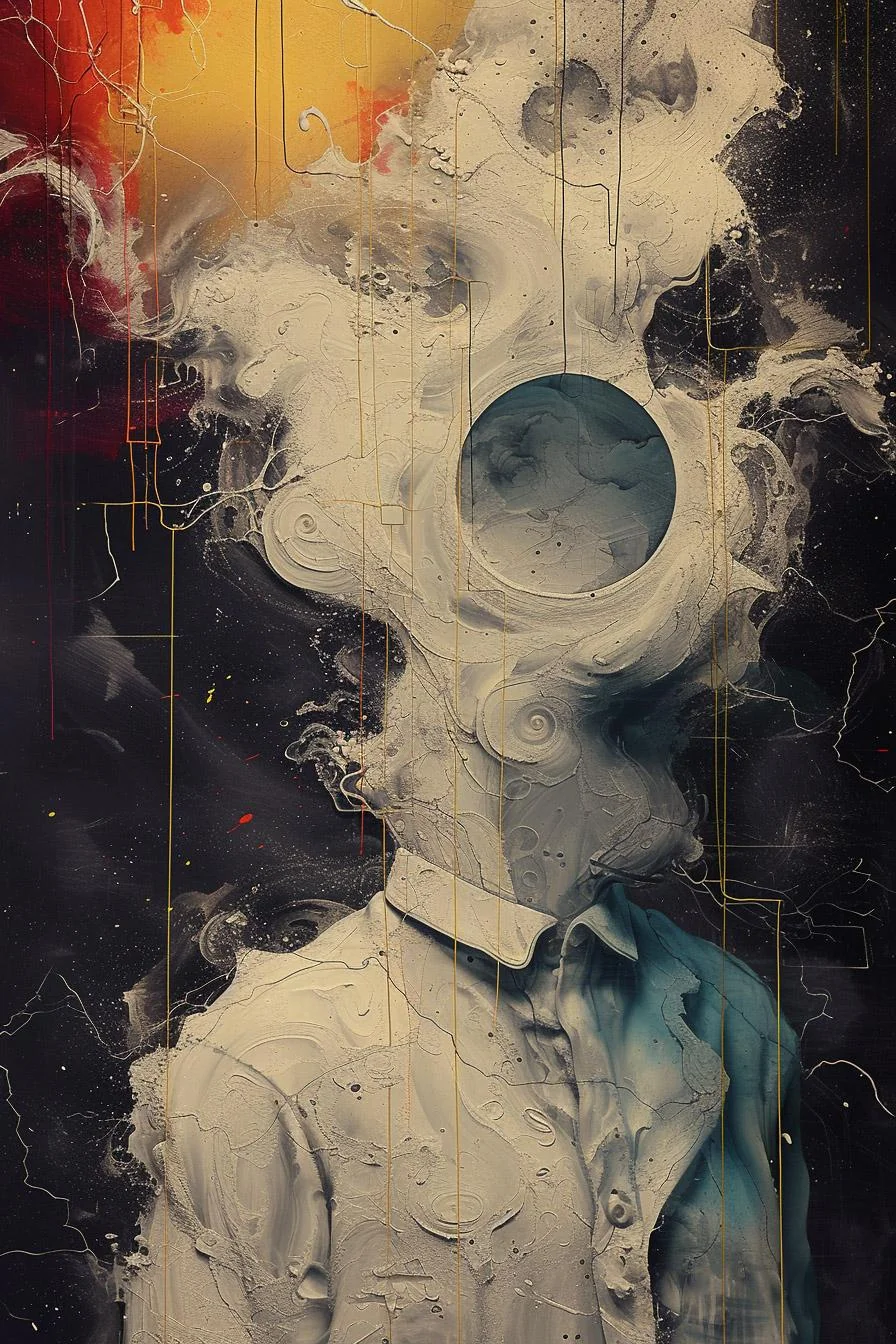
However, an AI generated creature has none of the parts that matter here: no weave, no weight on the shoulders of the person inside, no town's worth of neighbors deciding this is worth lining the street for. No cacophony. Nothing moving through your lived, first-person experience that shouldn't be.
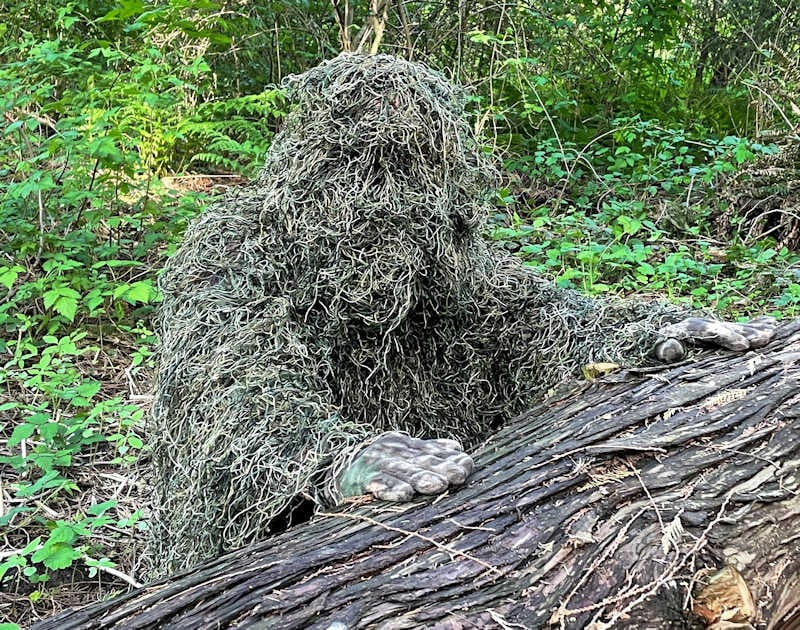
Snipers weave too. A ghillie suit is burlap braided with actual local grass and leaves, because at close range only real foliage passes, and the person inside vanishes into a hillside.
Nick Cave wove his first Soundsuit out of twigs after the Rodney King beating. Put one on and your race, gender, and class disappear while you become the most spectacular thing in the room.
I saw these live once, parading through MASS MoCA. For years the memory kept going soft at the edges, sliding toward fantasy the way fleeting things do, until I'd hedged it down to "I'm fairly sure." Then I dug through my phone: May 28, 2017, a fading, fuzzy digital video I shot of Soundsuits parading past. The memory was real the whole time. It took nine-year-old footage to make me trust my own body, in the same email where I keep telling you the camera lies.
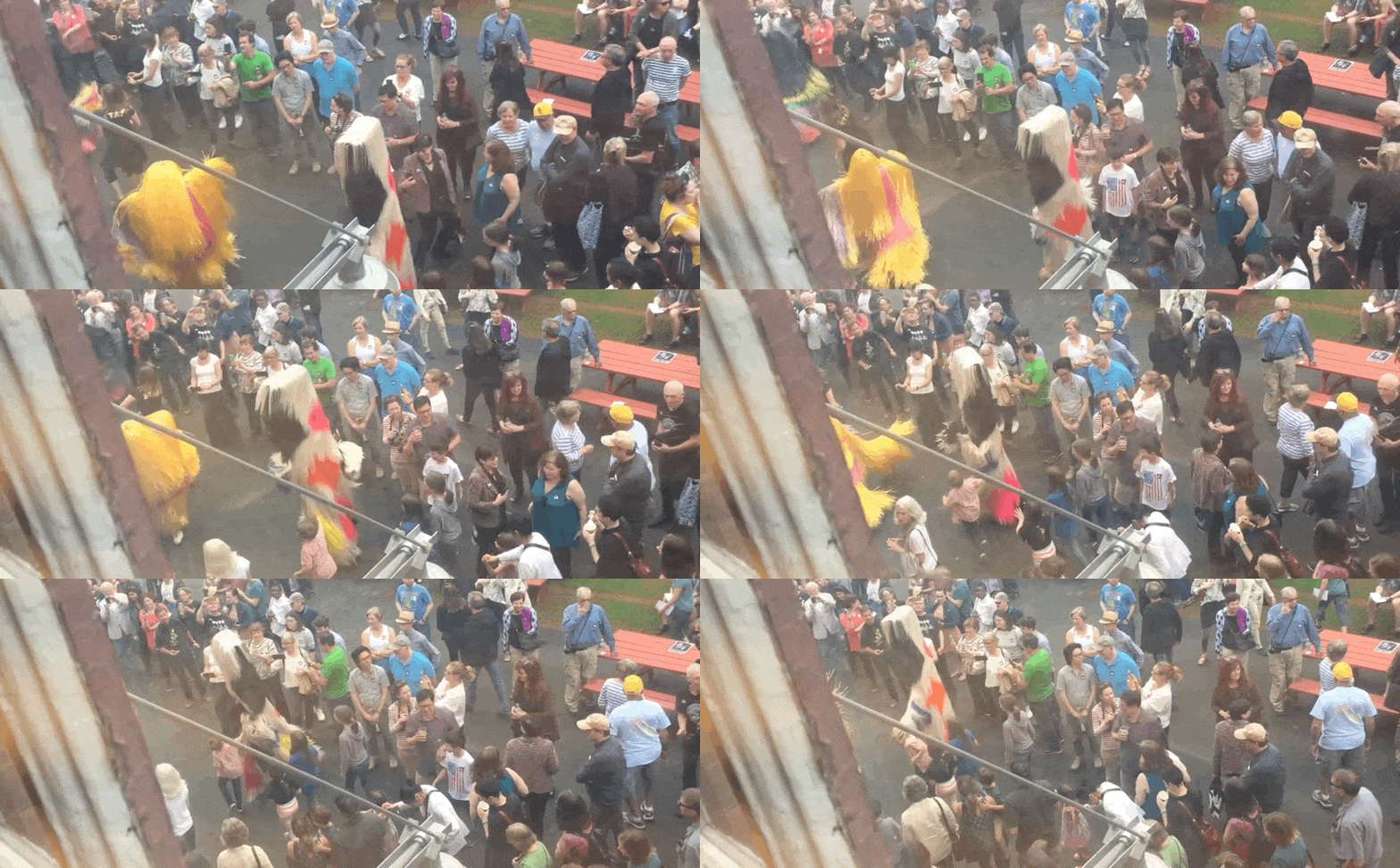
Five hundred years of mummers, a sniper in the grass, a Soundsuit mid-dance, a giant named Parsnabler o Grog: all of it is people deciding with their hands exactly how much of themselves gets seen.
You can't be late to 1969.
Every July 20 for eighteen years running, one web page has replayed Walter Cronkite's original CBS moon-landing coverage synced to the present-day clock: lunar module down at 4:17pm EDT, first step at 10:56pm, on a little black-and-white TV in the corner of your browser. Miss the landing and you've missed it until next year. Appointment viewing for an event that happened 57 years ago, and it works precisely because of the appointment. Giving the archive back its clock turns a file into an event.
My dad was a metallurgical engineer at Rocketdyne while the company was building the engines for the moon shot, and he proposed a welding technique that made it into one of the turbines.
His contribution was an idea about how two pieces of metal should be joined, argued well enough that they built it his way. Which is why the moon-landing conspiracy theories always make me a bit itchy. Hold the two halves of this issue side by side: Hollywood fakes its jets and swears they're real, while the single most documented event of the twentieth century gets accused of being a Hollywood fake.
The deniers' whole case is that you can't trust footage. Fair enough... this is rapidly our new quasi-reality. But a weld is not footage. There were human hands on that metal. A rocket engine is thousands of specific decisions made by specific people and one of them was my dad's. The net result are countless physical artifacts and even more countless conversations, emotion, and human touches that were never filmed but were very real.

I think the lived experience is even more real than documentation because they only existed, however briefly and now irretrievably, in the minds of those who actually experienced them. Those fleeting moments are the tangible testimony the cameras can't corrupt.
Stolen music felt earned.
Rob Sheridan, Nine Inch Nails' longtime creative director, wrote about the lost joy of music piracy, the What.CD and Oink era of ratio-tending, liner-note-scanning, obsessively curated trackers. "Still to this day, I've never seen such an actively maintained network of knowledge and output." The music was free and the effort was enormous, and the effort was the point: every album cost you attention, so every album stuck. Streaming handed us everything and quietly removed the part that made it matter.
A type designer drew the same line about AI this week: "A tool that shields us from the friction of the work is compelling, but if we don't experience the friction, we will never change the work."
I spent last week installing friction into my own calendar on purpose. Nice to have company.
Teenagers are buying CDs they can't play.
CD sales grew 16 percent in the first half of 2026, and the buyers driving it are teenagers and college students. The detail that makes it art: about half of them don't own a CD player and all the music on those CDs can be streamed on Spotify or YouTube.
So this can't be about listening.
Instead, a $12 disc is a receipt for caring: liner notes you can hold, artwork at hand scale, an object no algorithm can repossess or quietly re-license away. The kids who grew up with all of recorded music on tap are paying $12 for evidence that they made a choice and that there are real-world constraints that govern those choices - only so many CDs fit in that binder.
Sheridan's tracker kids curated ratios and metadata. These kids curate shelves. Same instinct, one generation apart: if it matters, hold onto it.
It's not real nor fake, it's both.
/ David
Watching: For All Mankind, the alt-history where the Soviets land first and the space race never ends. A fake of the space race that tells you it's fake in the premise. The show makes liberal use of AI techniques and manipulative editing to rewrite historical footage (ex. President speeches) - reminds me of In Event of Moon Disaster by Francesca Panetta and Halsey Burgund.
Listening: "The Great Pretender," The Platters, 1955. 🎶 Too real is this feeling of make-believe. Too real when I feel what my heart can't conceal 🎶