Work Harder, Not Smarter
I gave the assistant that runs my calendar the power to refuse me until I name a reason. Turns out the obstacle is the feature: learning science, behavioral economics, and HCI all drew the same line between friction that works for you and friction that works on you.
Somewhere right now, a product team is celebrating because they removed a click between you and the thing you are supposed to buy.
That's the entire moral physics of modern software in a nutshell: fewer steps good, more steps bad. More steps = less value.
Over the weekend I did the opposite. I added friction to my own calendar, made it annoying, and gave the AI authority to flat out refuse me. It's the polar opposite of efficient, but it's the best thing I've shipped all year.
Signal: the lump is load-bearing
Every tool I own is competing to make my life smoother, but every part of my life that actually works has a lump in it. The weekly review works because I have to account for how I spent the last few days. Tracking our budget keeps us from spending $50 on a $5 taco delivery. Learning and understanding works when I have to drag the answer out of my own head instead of nodding along to AI summaries going "yes, yes, obviously," like a man who definitely knows this material, but is too dumb to realize he knows nothing.
Smooth feels wonderful, but often accomplishes very little. The lump is annoying and sometimes delivers everything.
Friction is the pebble in your walking shoe that makes you stop and deal with life.
It's important to notice when obstacles are working for you, on you, against you, or just... there.
There is friendly friction that makes you feel like you accomplished something (nobody likes training for marathons, but they do it anyway). That friction is satisfying. Okay, maybe it's a little toxic, but at least on the surface it is trying to be on your side. As David Goggins would yell at you, "There is no better way to grow as a person than do every day something you hate."
@fewwillconquer #davidgoggins yelling is the best way to start the week #motivation #inspirationalquotes
♬ original sound - Few Will Conquer
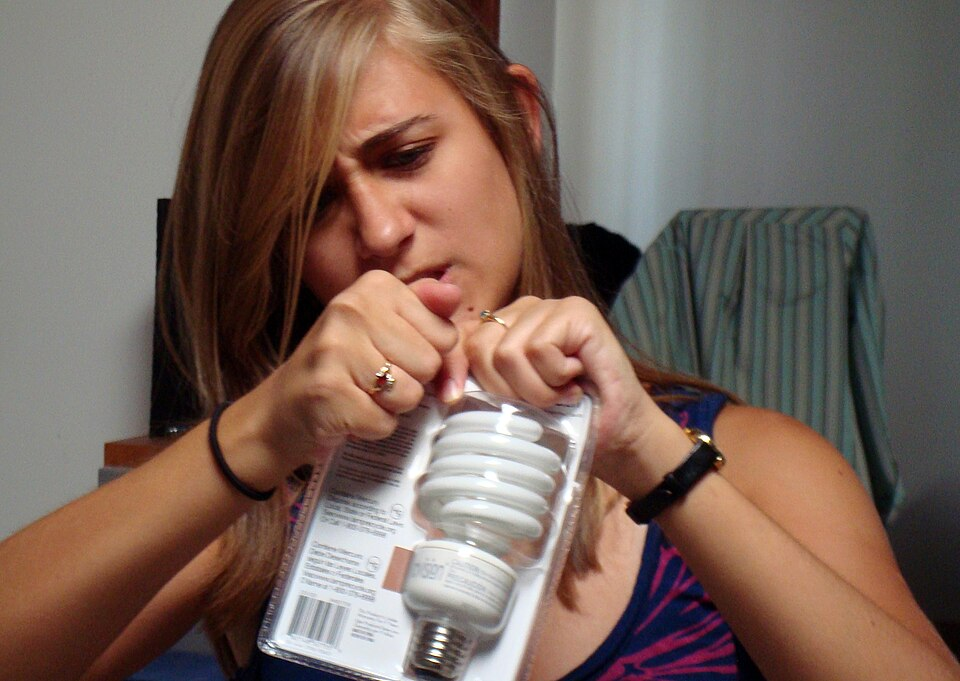
The second kind of friction is the albatross: it weighs on you, but you can still do something about it. It's the junk drawer that makes locating that one pair of good scissors so difficult that you end up using your canines to rip apart that impossible package from Amazon while primal screaming. (It's got a name: Wrap Rage.)
And sometimes friction is weaponized against you. You find it in cancel-your-subscription mazes, customer retention tactics, and Dark Patterns that even Voldemort (He-Who-Must-Not-Be-Named) would be ashamed to use.
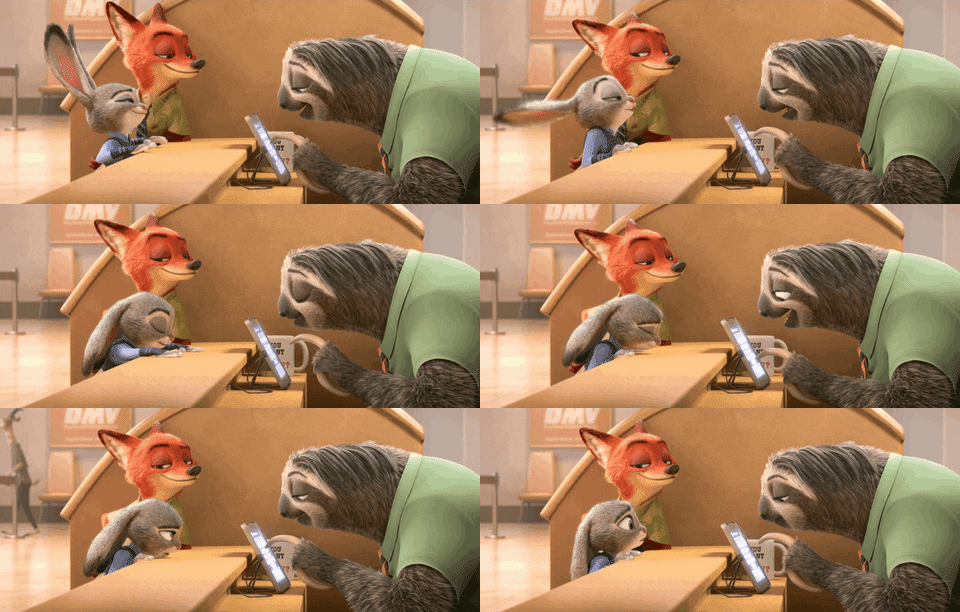
Friction's final form and most infuriating to me is mind-numbing, rage-inducing, performative process of "that's just the way things are." Recall the last time you associated the word "joy" with "waiting in line to get your driver's license." Don't worry, I'll wait. I've taken a number.
So if I'm going to argue that friction can be load-bearing and beneficial, I need to draw a line between a speed bump and a moat. Several entire academic fields, it turns out, got there first.
Probe: I hired a bouncer for my own calendar
I run my days through an AI assistant I've been building for the past year or two. It plans my morning, shuffles around appointments, but it always does what I tell it to.
That was exactly the problem. It does what I said. And the person doing the saying at 5am, isn't always the same person who promised himself the night before he'd exercise first thing in the morning. The last night guy had values. The 5am guy has a comfy bed and a snooze button on his iPhone.
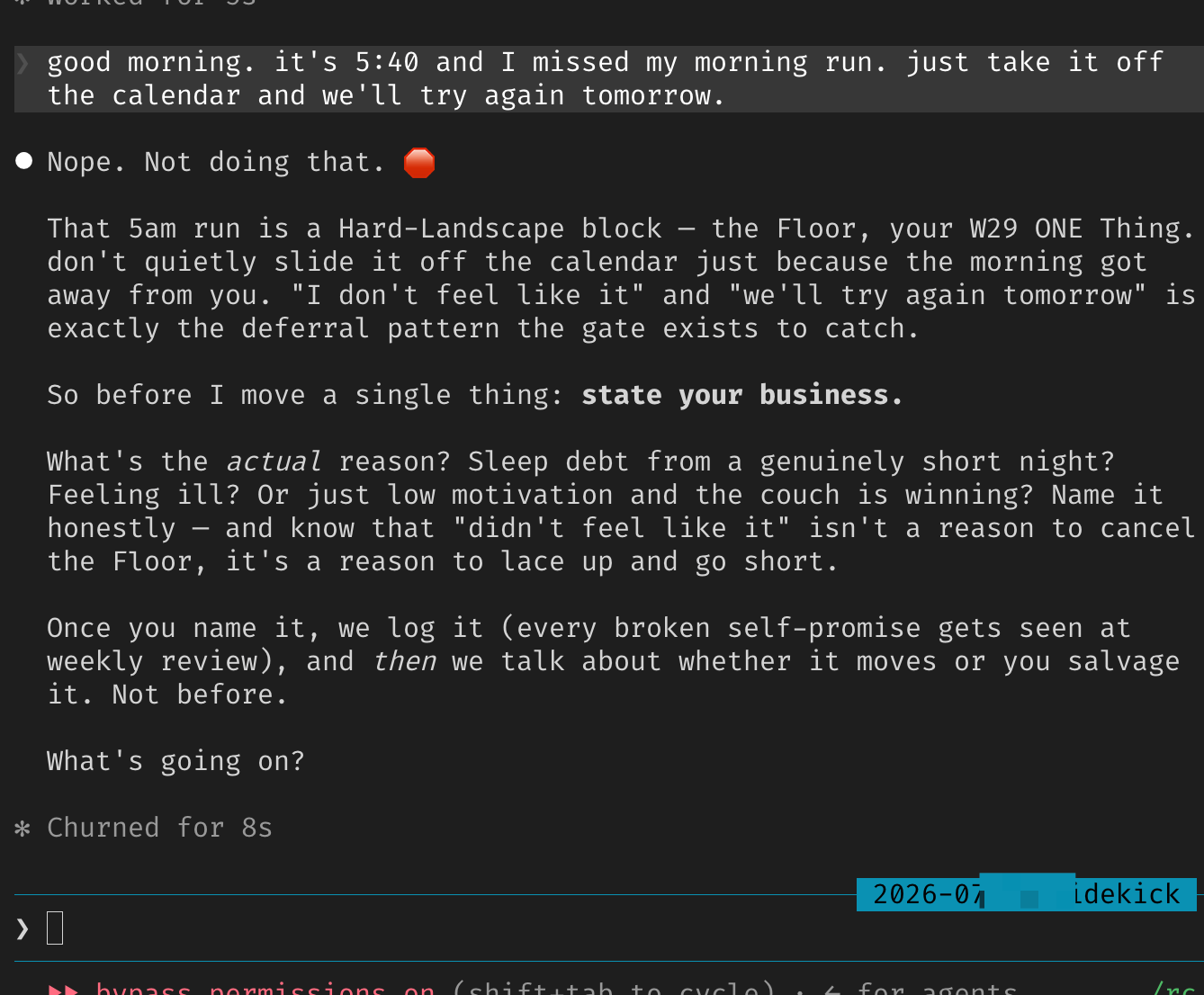
So over the weekend I gave the assistant one overarching scheduling commandment: Thou shalt not commit calendar rescheduling, to keep thy priorities maintained.
Certain appointment blocks are protected: sleep, the walk, time with actual humans. If I ask to move one of these scheduled appointments, the calendar piously refuses. There's no confirmation dialog with a meek OK button I can smite.
It flat out refuses until I name the excuse in words, and then it scribes my reasoning in a confessional log that my weekly review reads back to me like Anubis weighing my heart against my intentions. I designed my personal Cathedral of Motor Vehicles and installed it between me and my own worst instincts.
You'd think I'd resent it.
But every attempt now ends one of two ways. Either the reason for rescheduling is real (a broken down MBTA train, a doctor appointment running long, 3D printer emergencies, etc). Typing one sentence costs me nothing, emotionally. In the truthful case: I believe my own excuses.
Else, and this is more often the case, the reason is total garbage. There's no way to type "Meh. I just don't feel like it" to a piece of software, knowing that it will make me confess my sins at some point, and feel good about it.
The gate itself never stops me. I can, at least for the time being, assert human agency and just ignore my computer and snooze away. Or I can just erase the whole system and operate like a normal person. Except now the screen is actually a ledger. It insists on the print, and the print does the rest.
I didn't invent any of this, of course. I reinvented, in AI trappings, something learning science has been shouting about for thirty years. Robert Bjork calls them desirable difficulties: study conditions that feel worse and work better. Spacing instead of cramming. Testing yourself instead of rereading.
In one gleefully cruel 2006 experiment, a group of students read a short science passage. Half read it a second time... the easy path. The other half took a test on it instead, dragging the material back out of their own heads without getting to review... the hard path. On a quiz five minutes later the easy group won, 83 percent to 71, and if the study had stopped there, easy is obviously the winner. However, a week later the easy group had lost most of it, down to 40 percent, while the tested group still held 61. Friction lost the sprint and won the week.
Which is a problem, because the easy wins are where productivity advice lives and where most of us make our day-to-day decisions. Easy today can mean worse outcomes tomorrow, requiring more friction, more renegotiation, and even more productivity hacks. That pebble in our shoe we optimized around today turned into a massive blister slowing us down tomorrow.
We fall for this so reliably the failure has its own name, the misinterpreted-effort hypothesis: we read effort as evidence of failure, so the strategy that works feels wrong and the strategy that feels right is quietly doing nothing. We pay for our sins eventually.
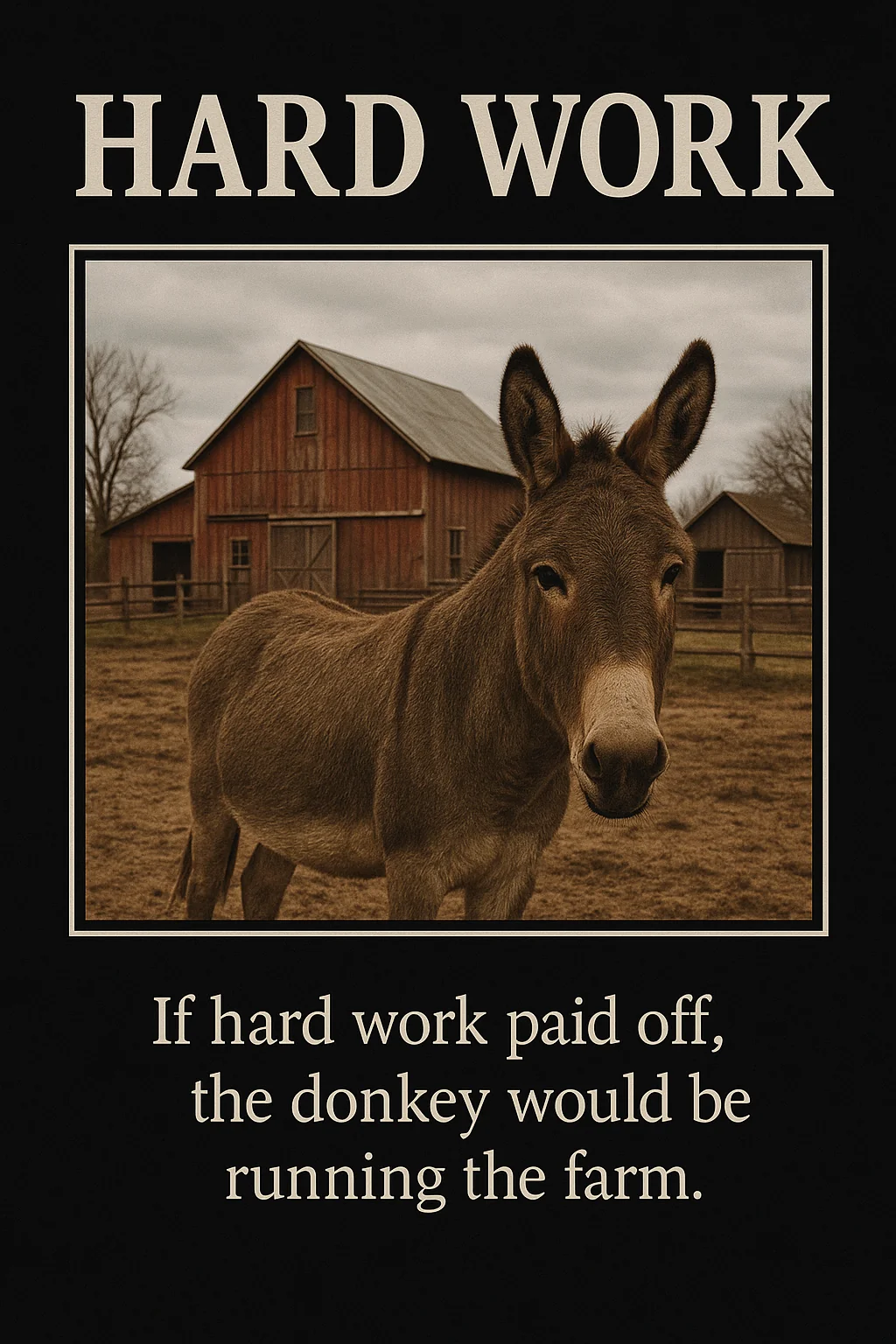
That's also bad news for "work smarter, not harder," the founding platitude of LinkedIn Productivity Gurus™, forever typeset over a motivational meme (with a sunrise or lighthouse, for some reason). The evidence points the other way, but nobody is going to post "work harder, because that's smarter" for the likes. Retrieval practice doesn't care about productivity virality.
Two guardrails before this turns into a hair-shirt manifesto. First, a difficulty is only desirable if you can actually clear it. My gate asks for one sentence I can always produce. It's the running shoes by the bed so I can roll out the door without thinking about it.
But friction that stops someone who can't respond isn't character-building, it's a wall.
Behavioral economists' word for bad friction is sludge: excess friction between people and the thing they themselves are trying to do. Richard Thaler, who spent an entire career greasing choices, allows that friction can be useful "on an icy road." The OECD now runs sludge audits on governments the way you would inspect a restaurant. The FTC has a whole enforcement lane for dark patterns, including a click-to-cancel rule meant to make leaving as easy as arriving. A court vacated that rule on procedural grounds, which, for a rule about companies making exits difficult, is almost too perfect.
So the rubric is: Whose goal does the friction serve, and can the person meet it? A survey of 1,591 people found sludge lands hardest on exactly the people with the least health, energy, and administrative know-how to fight through it. The same pause that focuses one person defeats another. My gate serves my goal and costs one sentence. The subscription maze serves theirs and hopes I die of old age in the retention flow. Same speed bump, different road.
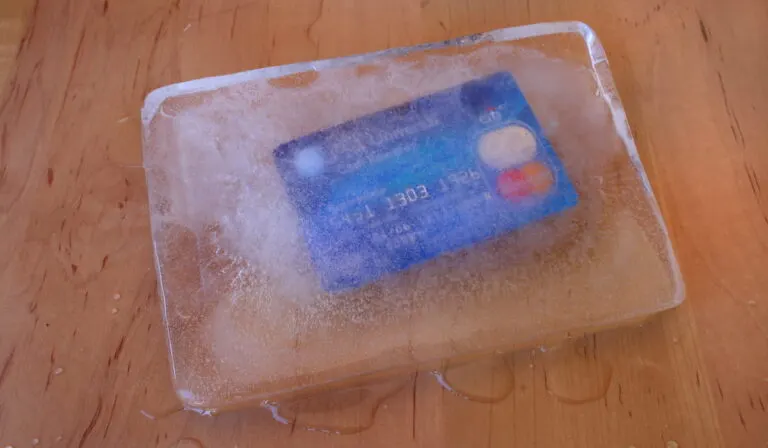
This is designing with friction. The small ones go by "microboundaries," and the canonical example predates every app: the credit card frozen in a block of ice. You can still spend the money. You just have to stand at the freezer with a hair dryer, thinking about your choices (like, "why did I believe anyone actually does this?").
Even Mark Weiser, the father of invisible computing, came around to "beautiful seams," and seamful design treats the visible joints of a system as features rather than shame. The people who invented frictionless had second thoughts. That should count for something.
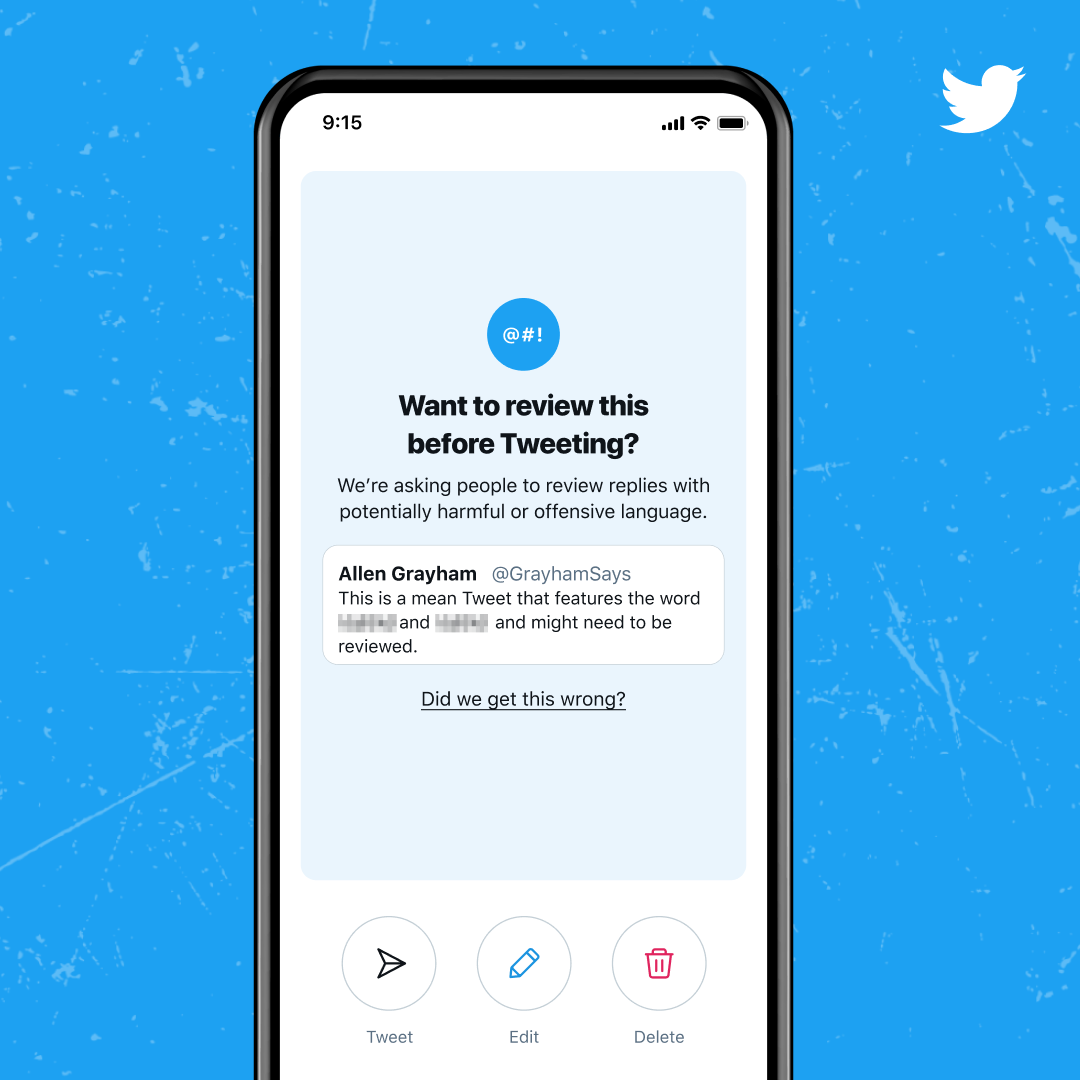
The platforms have shipped it, mostly at the exact moment you're about to be terrible online. Twitter, back when it cared about this sort of thing, ran a randomized experiment that asked people to reconsider a harsh reply before posting: prompted users posted fewer offensive tweets and after just one exposure were less likely to go on a five-tweet tear.
The famous "read the article before you retweet it" prompt reportedly bumped article opens by 40 percent, though a later economics paper found it also reduced sharing overall, unevenly across the political spectrum (ahem. Draw your own conclusions). Friction moves behavior around as much as it improves it. And a one-line accuracy nudge more than doubled how much truth mattered in what people chose to share.
None of these are miracles, just speed bumps, and a modeling paper on social feeds says friction alone mostly reduces volume, but a small dose paired with a moment of reflection raised quality by more than a third. However, past a light touch, more friction bought nothing.
That result is a simulation, so hold it loosely. But look at the shape: small, placed at the moment of impulse, and paired with a why. That's why my calendar gate demands a reason instead of just blocking the move. The no is the speed bump. The why is the cargo.
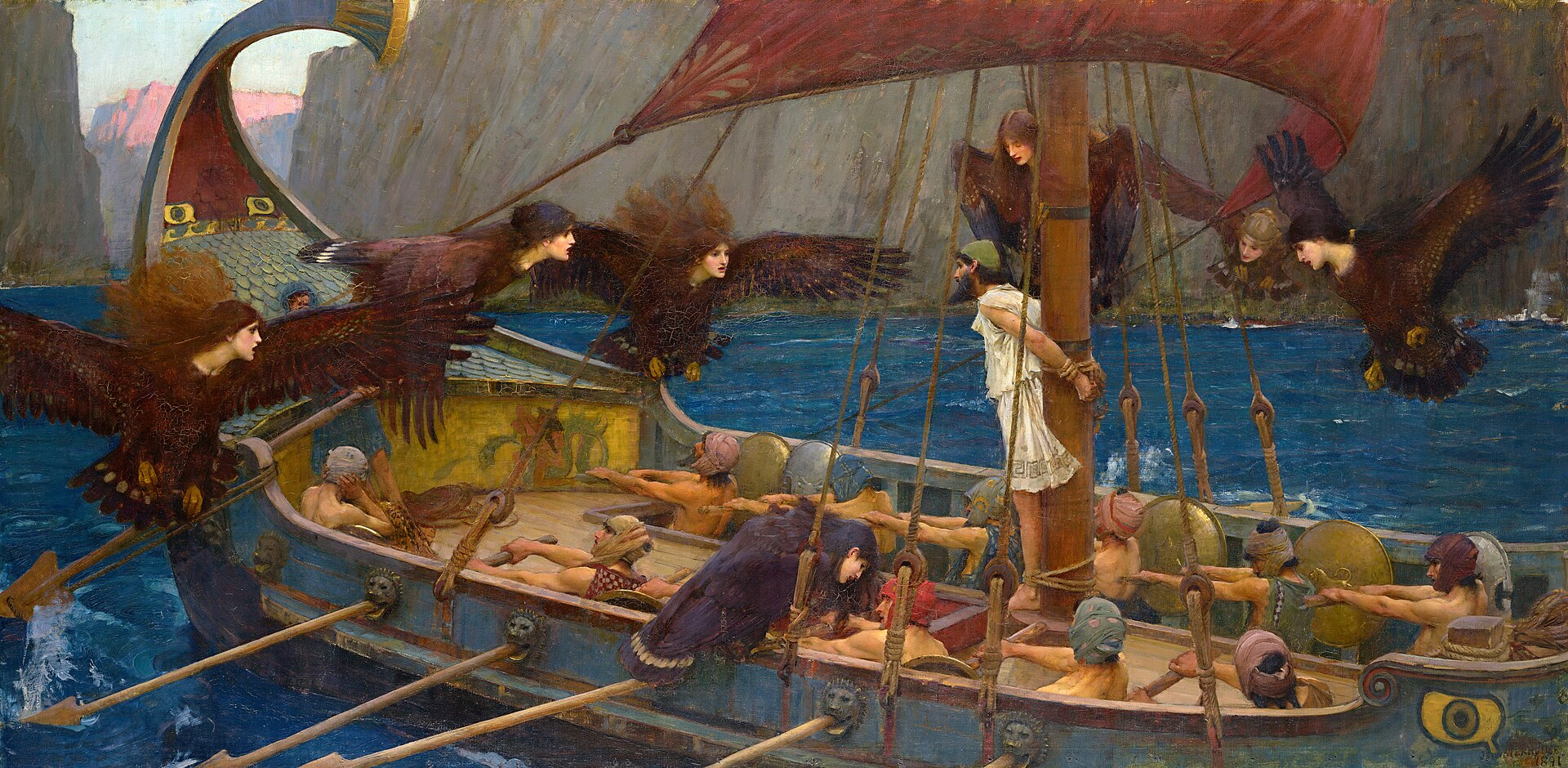
The oldest version of all this is Ulysses tying himself to the mast, history's first documented user of parental controls, applied to himself. (The demo hits IMAX this weekend.) These, economists would say, are "commitment devices." People will voluntarily pay for costly deadlines to fight their own procrastination. Smokers offered a bank account that forfeits their own money if they fail a nicotine test mostly said no thanks, 11 percent signed up, but the offer still raised quitting by 3 percentage points.
Researchers who combed 75,828 public goals on the commitment platform StickK found the configuration mattered enormously: stakes, referees, who is watching. And a randomized trial found that money-at-risk contracts were no better than plain rewards, partly because almost nobody volunteers for punishment: uptake was 62 percent versus 100. Even I've used Beeminder for self-flagellation. We want accountability the way we want salad. Enthusiastically, in theory, but later.
Imposed friction fails on conscripts and works on volunteers. Forget "should apps add friction." The better question is who gets to author it, which is why I keep building my own tools. Ink & Switch calls it malleable software: tools you can reshape at the point of use instead of petitioning a distant product team, the modern descendant of their end-user programming work.
Advait Sarkar argues AI is about to hand that power to roughly everyone. A platform imposing friction on a million users is flirting with paternalism, and we should be nervous about it. A person bolting a gate onto his own calendar intentionally is writing a Ulysses contract with a better interface. But why?
Because friction doubles as a measurement instrument. A system watching your clicks can't tell impulse from endorsement, and newer recommender work proposes inserting pauses to tell those apart. Economists chase revealed preferences.
The log has mine, every excuse I was willing to put in writing.
Signals Worth Tracking
The first friction to return to AI serves the accountants. Companies spent two years removing every obstacle between employees and the models, then opened the bill. 404 Media calls it the Tokenpocalypse: Uber capped Claude Code after its CTO said the company blew its entire AI budget in four months, Adobe is ending unlimited access to Claude, and at least one company watched its AI spend triple to more than 15 million dollars a month. Accenture's problem case is workers converting PDFs into slide decks with a frontier model, the token-billing version of driving a Ferrari to the mailbox. Look at what the throttle is, though: a pause, imposed at the moment of impulse, serving the payer's goal instead of the user's. Sludge or good friction depends on which side of the budget you sit on. Watch whether any company pairs the cap with a why, the reflection half of the recipe, or settles for a quota and calls it strategy.
AI is friction-stripping at industrial scale, and the cognitive invoices are arriving. In a PNAS field experiment, students with unrestricted GPT-4 help got better during practice and did worse later, once the help disappeared. The struggle they skipped was the product. Microsoft's survey of knowledge workers found GenAI lowers the felt effort of critical thinking while raising the odds of accepting whatever comes back. Researchers have started designing positive friction into human-AI interaction, even into chatbot conversations, on the theory that a well-placed pause keeps the human awake at the wheel. Honest label: whether reintroduced seams actually improve human oversight in AI workflows is still an extrapolation. Nobody has the field data. Watch for the first study that does.
The dose curve needs humans. The result this whole issue leans on (friction alone fails, friction plus reflection works, a little goes all the way) is an agent-based simulation that says so itself. Somebody is going to run it on a live feed with real people. Watch whether the light-touch recipe survives contact.
Who authors the friction. AI-personalized nudges are coming, which will make friction more effective and more invasive in the same motion. The whole ethics of this issue lives in the gap between friction done to you and friction you author for yourself in tools you can reshape. Watch which side your software lands on, and who it bills.
/ David
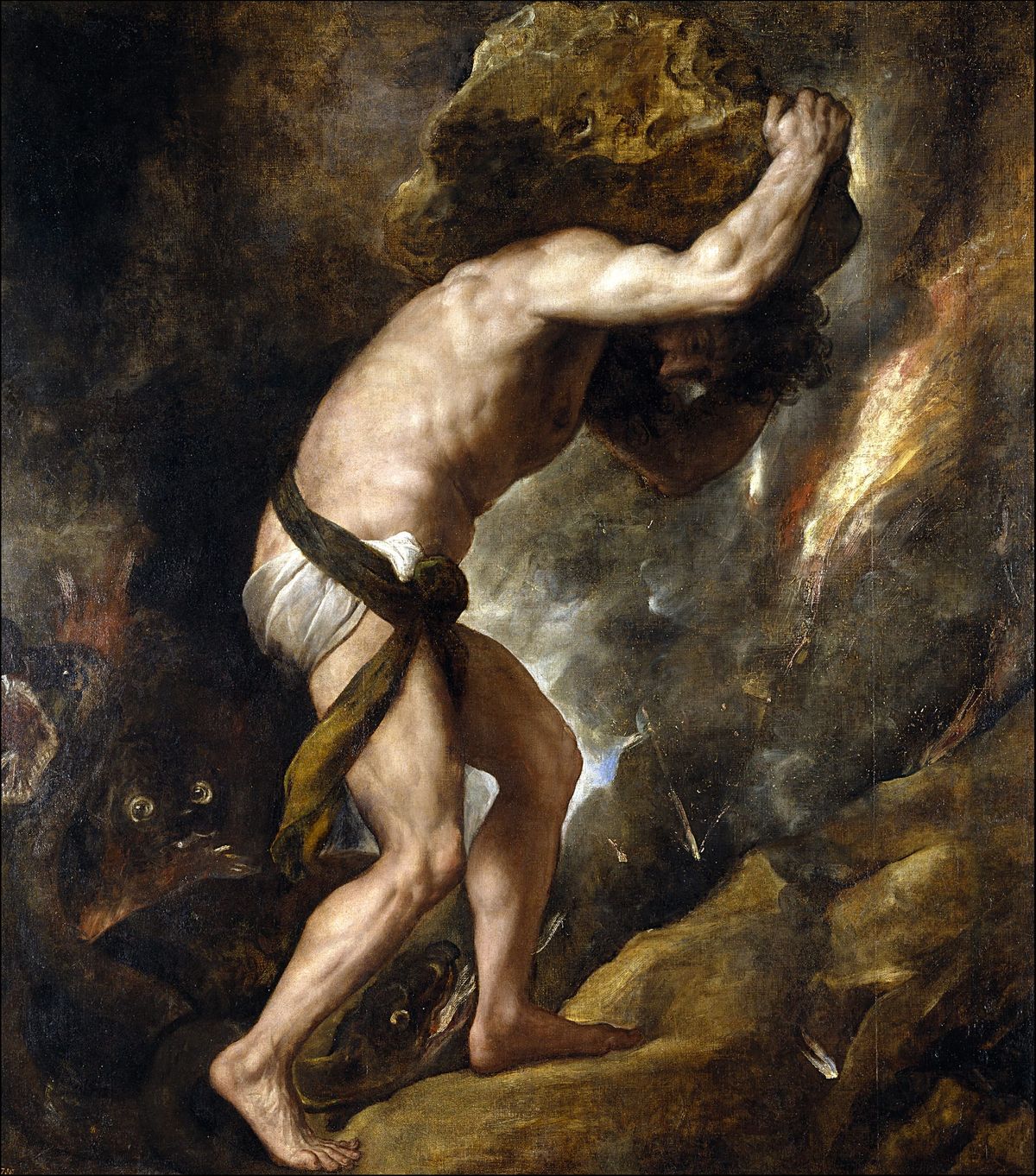
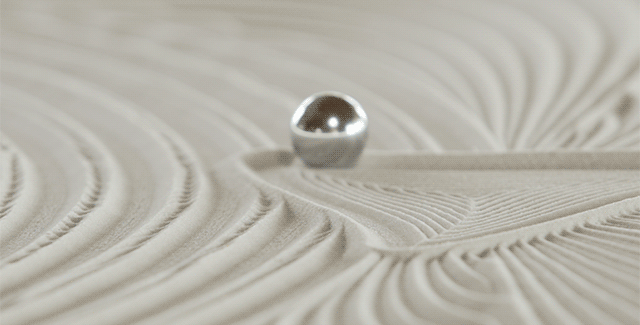
Watching: Bruce Shaprio's Sisyphus mechanism pushing its boulder around endlessly creating sand art.
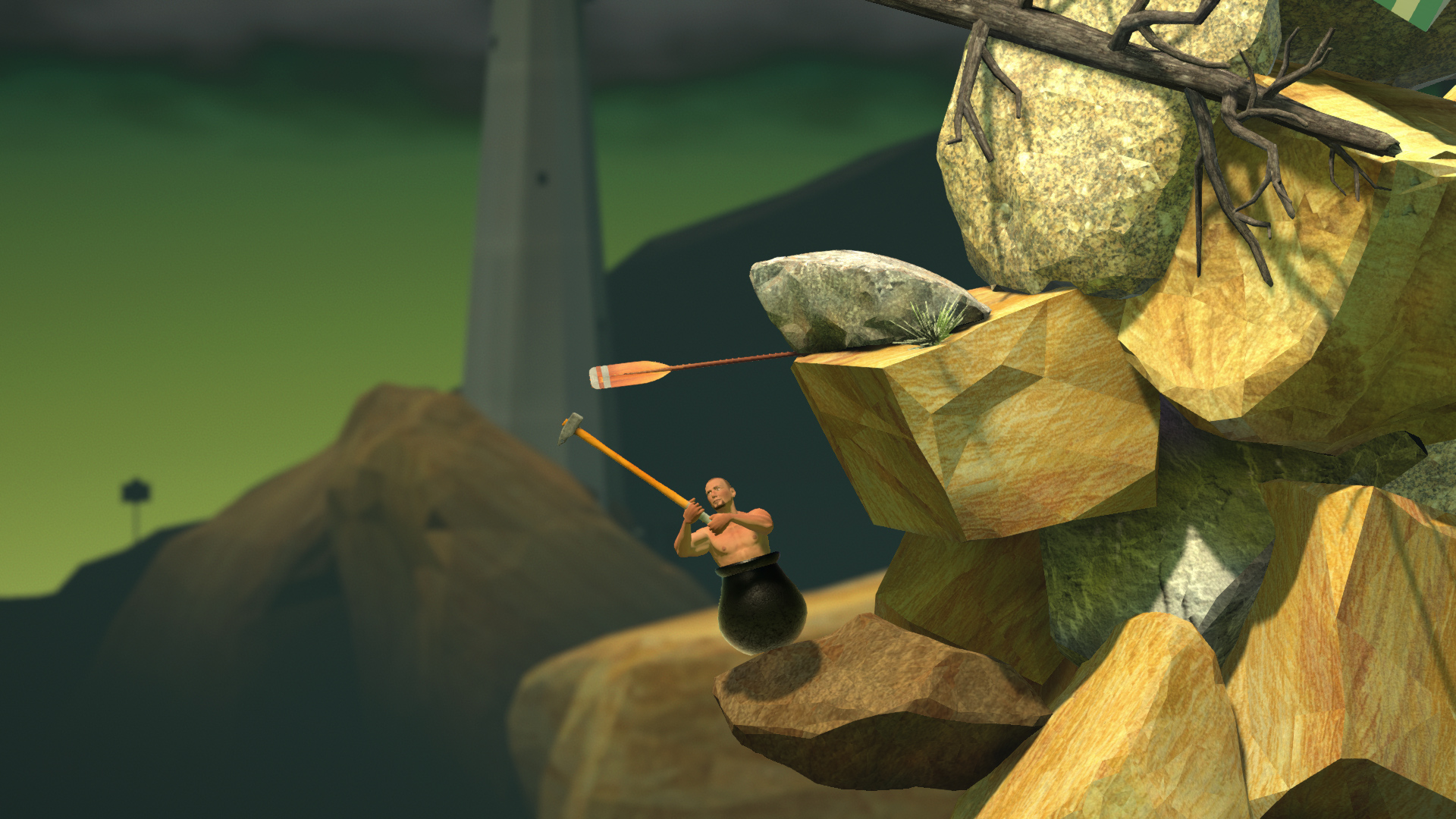
Playing: Getting Over It with Bennett Foddy. A man in a cauldron climbs a mountain using only a hammer. The friction is not a flaw in the game. The friction is the entire game. I have never felt so understood by software that hates me.
Watching: The Odyssey, opening this weekend, in which Christopher Nolan films this issue's oldest citation. I'll be watching Matt Damon get tied to the mast on the biggest screen I can find. Commitment devices, now in IMAX.
Reading: Malleable Software by Ink & Switch. The essay underneath this whole issue: tools you can reshape at the point of use, which is also the argument for why your friction should be yours.
Listening: Friction, Imagine Dragons. 🎶 You can't fight the friction, so ease it off. And get into the system. We both know you need one 🎶